
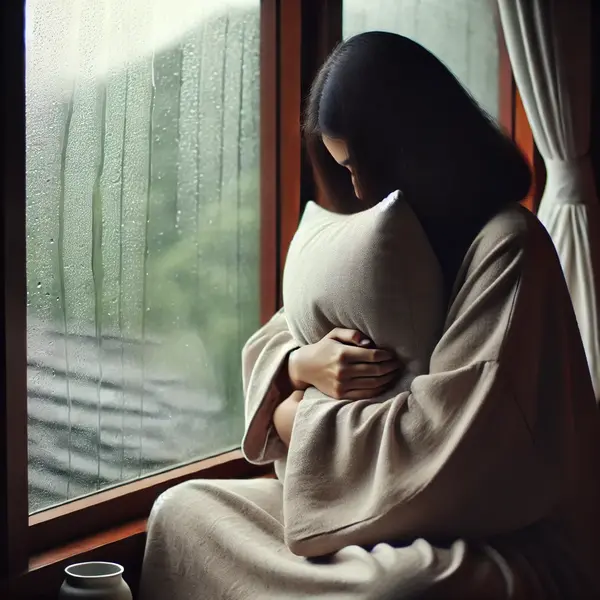
Have you ever felt a heavy weight in your chest, but you forced yourself to stay strong? Haven’t you cried yet? Many of us believe that wiping away tears is a sign of weakness, but science and psychology suggest otherwise. In this article, we will explore why is it important to cry and how shedding tears can be a powerful tool for your emotional well-being. Letting your tears flow is not a failure; it is the first step toward true inner peace, stress relief, and recovery.
The Power of Crying: Why Tears Matter in Life
Life is a bitter reality; just as we begin to understand it, it ends.
It is a complex journey woven with emotions, challenges, and regrets. We often find ourselves consumed by endless thoughts—“What if I had done this?” or “If only things were different.” Amid these inner conversations, there’s one undeniable truth: life makes us cry more than it makes us laugh.
Crying from the Beginning of Life
Yes, we cry over the smallest things. And rightly so. After all, crying is the very first thing a newborn crying baby does even before drinking their mother’s milk. If the infant crying doesn’t happen, the doctor gets worried, thinking something might be wrong. This is probably the only time when doctors, nurses, and parents all wish for the baby to cry.
When Society Judges Crying
But as we grow older, crying becomes a problem. If you cry later in life, people say, “Why do you cry over little things? You’re so weak!”
Stop! Please stop telling people not to cry. Crying tears is not a weakness. Cry your heart out. Until you cry, you won’t feel lighter, and without lightening your heart, how can you carry the weight of life?
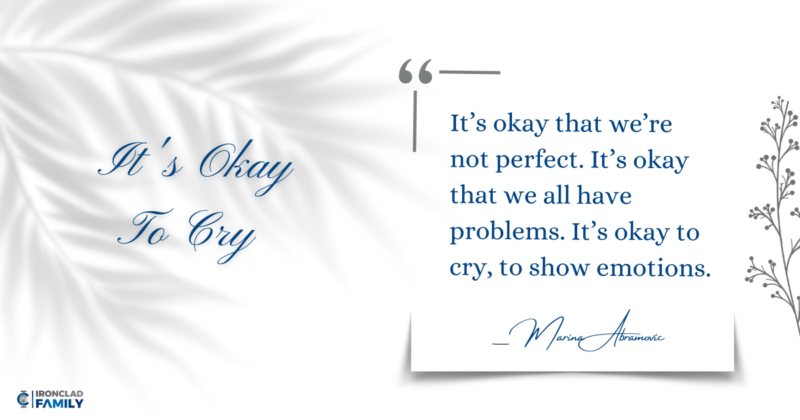
What’s important is when, where, and in front of whom you cry. This isn’t just necessary—it’s crucial. If these things aren’t managed right, it can harm us more than the act of crying itself. The real danger lies in crying in front of the wrong person, in the wrong place, at the wrong time.
Is Crying Good for Your Mental Health and Anxiety?
A lot of people ask, is crying good for your mental health? The short answer is yes. Crying is a natural emotional response that helps our brain reset during times of intense stress.
When we look at the psychology of crying, it acts as a built-in safety valve. If you are wondering if crying is good for anxiety, it helps by lowering your heart rate and releasing oxytocin and endorphins. These “feel-good” chemicals help soothe emotional pain and bring a sense of calmness after a chaotic emotional storm.
Is It Good to Cry When Depressed or Facing Life Lessons?
When you are going through tough times, holding back tears can actually make things worse. So, is it good to cry when depressed? Yes, because suppressing your emotions forces your body to stay in a constant state of fight-or-flight.
Crying helps in releasing suppressed emotions. It is a physical release of the mental pain you are carrying. When you cry, you aren’t giving up; you are allowing your soul to process life’s lessons so you can heal and move forward.
Crying in Relationships
If you lose a relationship, cry—cry in front of that person. Try to save the relationship. Do it once, do it twice. If it gives your heart peace, try a third time too. But if the relationship still slips away, there will be pain, anger, and perhaps regret. At that point, cry alone, or in front of someone who won’t judge you for your tears. Believe me, there is always at least one person in life who stands by you. And if, unfortunately, there isn’t, make a new friend—a Mirror.
Read more: How to Talk to a Mirror?
Go in front of the mirror, cry in solitude, and cry as much as you need. The pain will subside faster if you release it through tears. Try it—grieve for a day or two, and you’ll see, it’s rare to cry over the same pain for more than ten days. Sadness lingers, but crying it out brings relief to the heart and soul.
Some parents also follow the cry it out method to help babies sleep, but when it comes to adults, crying has a very different meaning.
Crying as Inner Therapy
Many people don’t realize that crying is a form of therapy—an inner therapy. Only when you are strong inside can you appear strong on the outside. Those who are weak inside but try to look tough on the outside often end up failing. Frustration builds up, and they become angry and irritable because they don’t release what’s bottled up inside.
So instead of venting in unhealthy ways at the wrong time or place, let yourself cry—either alone or in front of someone you trust.
Personal Story: How Crying Brings Relief
About two years ago, an elderly, disabled woman in our family passed away. She had no children, and her husband had already passed, so she became our responsibility. After my marriage, I took care of her, hoping for spiritual reward, but over time, I grew deeply attached to her.
One day, she developed a fever and passed away that night. To others, she was just an old woman whose passing felt like a relief. I stayed busy with household chores and visitors for two days, but I began feeling strange frustration and anger, snapping at the children without reason.
One night, as I was putting my younger son to sleep, I realized how irritable I had become. That’s when it hit me—I hadn’t cried yet. The bottled-up emotions were weighing me down. At that moment, I couldn’t hold back anymore and cried uncontrollable crying. It felt like the grief I had ignored in front of others finally poured out.
Afterward, I talked to my husband, which helped ease my heart even more. Until I cried, I didn’t realize how much those emotions were affecting me. Once I let it out, I felt as if a heavy burden had been lifted from my heart.
The Science Behind Crying: How Tears Bring Emotional Relief
Crying is not just an emotional response; it also has a calming effect on our bodies. Scientists explain that emotional tears contain stress-related chemicals, such as cortisol, and when we cry, these chemicals are released, helping to reduce stress. Crying activates the parasympathetic nervous system, which promotes relaxation and allows our body to recover from emotional strain. That’s why, after crying, people often feel lighter and more at peace.
It also triggers the release of endorphins—our body’s natural painkillers—bringing both emotional relief and a sense of calm. Crying is like a reset for our mind, helping us process difficult emotions and feel more balanced afterward.
For a deeper look at emotional health and crying, you can visit Healthline’s guide on crying.
When Crying Feels Overwhelming
Sometimes, people wonder if they are crying for no reason or if they feel stuck in how to stop crying. Others look for ways to learn to stop themselves from crying in public, when talking, or even over small things. These struggles are real, and many silently deal with them.
Some people also face anxiety-related tears, and they want to know how to stop anxiety crying. Techniques like mindful breathing, grounding exercises, and journaling can help regulate emotions before they overflow.
How to Stop Crying If You Cry Too Much
If you feel like you cry too often, don’t lose hope. Your tears don’t make you weak—they make you human. But when crying feels overwhelming, you can take small steps to manage it.
- Take slow, deep breaths to calm your nervous system.
- Distract yourself: look around and name five things you see, four things you can touch, three things you can hear—this grounds your emotions.
- Drink a glass of cold water; the sudden sensation resets your body.
- Use gentle affirmations: remind yourself, “I am safe, I can handle this.”
- If you’re in public, excuse yourself for a moment, breathe, and return when you feel steadier.
These simple practices help you gain control when your emotions feel too heavy. Remember, tears are natural, but balance gives you strength.
Men and Crying: Breaking the Stigma
For years, society has told men to “stay strong” and hide their emotions. But the truth is, men cry, and they should. If you ever ask, “Do real men cry?” the answer is yes—real strength lies in embracing emotions, not hiding them.
Unfortunately, many still believe “is it weak for a man to cry?” or even “is crying a sign of weakness?” These toxic beliefs harm mental health. Men who suppress emotions often face more stress, anger, and even health issues. When men openly cry, they not only heal themselves but also set an example that emotions don’t define masculinity—they define humanity.
Allowing men to express grief, pain, or joy through tears helps build a healthier society where empathy and understanding thrive.
Benefits of Crying: Beyond Just Emotions
The human body is connected in beautiful ways, and crying has surprising physical benefits alongside emotional healing:
- Benefits of Crying for Your Eyes: Emotional tears contain lysozyme, a fluid that kills bacteria and keeps your eyes clean and hydrated.
- Benefits of Crying for Skin: While crying causes temporary redness, the release of cortisol (the stress hormone) through tears reduces internal stress, which prevents stress-induced skin breakouts.
- Benefits of Crying for Men: Society often teaches men to hide their tears, but breaking this stigma is vital. Crying is a human necessity, not a gender-specific weakness.
Are There Any Disadvantages of Crying?
While shedding tears is healthy, are there any disadvantages of crying? Crying itself is not harmful. However, if you find yourself crying uncontrollably every single day without any emotional relief afterward, it could be a sign of deep clinical depression or burnout. In such cases, crying alone might not heal the pain, and talking to a professional becomes necessary.
Final Thoughts: Tears Are Not Weakness
In the journey of life, tears are not obstacles but companions that guide us toward healing and self-awareness. They help us confront the weight of our emotions, making room for peace and acceptance.
It’s essential to cry at the right time, in the right space, and with the right people—or even in solitude—because tears carry the power to cleanse both the heart and mind. By allowing ourselves to feel deeply and release our emotions, we cultivate the strength to carry life’s burdens with grace and resilience