
Important: We share this information about Tramadol to raise awareness and help readers understand its use and risks. This post is not a substitute for medical advice. Always talk to your doctor or pharmacist before using Tramadol or any other medication.
When a Pain Pill Becomes a Silent Destroyer: Tramadol Addiction Explained
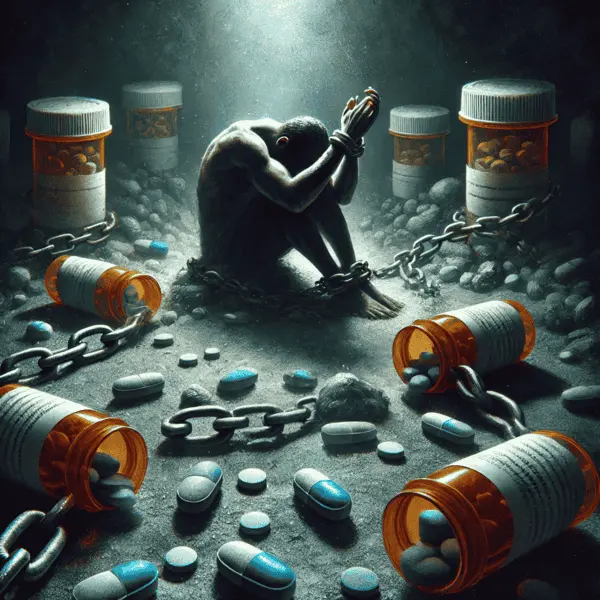
When a pill meant to ease pain turns into the source of deep suffering, its impact extends beyond the person taking it. Excessive addiction to anything—whether a drug, alcohol, social media, a person, or even solitude—only leads to harm. In the end, addiction leaves a person empty-handed.
Understanding Addiction
Addiction changes brain chemistry, affecting reward, motivation, and memory. It leads to tolerance (needing more for the same effect) and withdrawal when quitting. People continue using a substance or behavior despite its harm to health, relationships, and responsibilities. Addiction involves both a strong physical need and an uncontrollable desire to continue.
What Is Tramadol and How Tramadol Works in the Body
Tramadol, a prescription drug for moderate to severe pain, is a synthetic opioid. How tramadol works is by binding to opioid receptors in the brain and altering pain perception. In addition, how tramadol works in the body involves affecting neurotransmitters like serotonin and norepinephrine, which contribute both to pain relief and dependency risks.
Tramadol Tablet Uses and Tramadol Injection Uses
Tramadol injection uses include managing post-surgery pain and chronic pain conditions. In medical settings, tramadol tablets are also commonly used for acute and severe pain relief. However, despite its therapeutic applications, people often ask, “Is tramadol addictive?” Yes, the reality is that misuse or long-term use can easily spiral into dependency.
What Does Tramadol Do to the Brain?
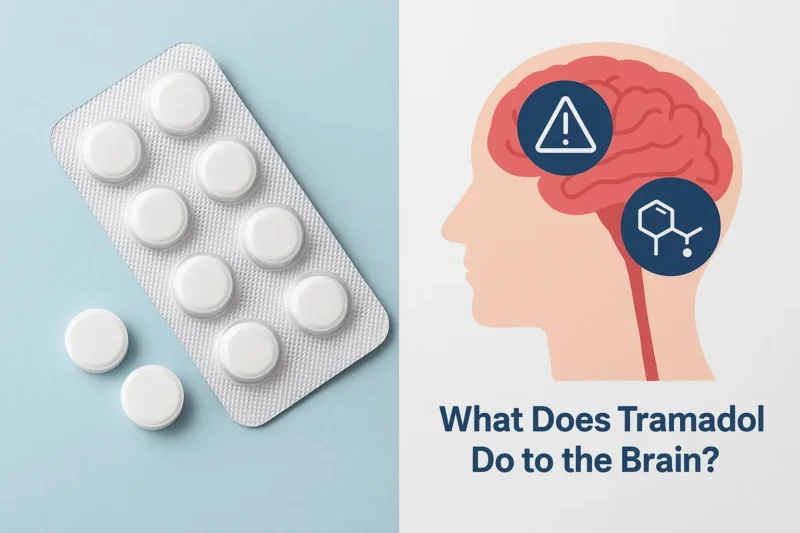
Tramadol changes the way your body feels and reacts to pain. It works in two main ways:
- Pain Blocker: It attaches to special “locks” in the brain called opioid receptors. Think of these like pain switches. When tramadol connects to them, it reduces the pain signals your brain receives, so you don’t feel pain as strongly.
- Mood Changer: At the same time, tramadol affects brain chemicals (like serotonin and norepinephrine) that control mood and emotions. This can make some people feel relaxed, calm, or even slightly happy.
Because it works on both pain and mood, people may start to rely on it not only for physical pain but also for emotional comfort. Over time, this can lead to addiction, because the brain begins to “want” the drug even when it’s no longer needed for pain.
Common Tramadol Side Effects
Tramadol side effects include dizziness, nausea, constipation, and drowsiness. If misused, it carries a high risk of addiction. In severe cases, it can slow breathing or lead to serotonin syndrome when taken with certain medications.
Tramadol Side Effects in Women
Some reports specifically highlight tramadol side effects in women, such as increased risk of seizures or mood swings.
Is Tramadol Safe in Pregnancy?
Another important concern is: Is tramadol safe in pregnancy? Medical experts generally advise extreme caution because the drug may cause withdrawal symptoms in newborns and is linked to complications during pregnancy. (See FDA guidelines on Tramadol safety).
Tramadol should be called ‘Trauma-dol’ because of the suffering it causes when abused. I feel compelled to address this issue due to the devastating impact of a family member’s excessive use of this drug on my family and me.
Personal Story: Trapped by Tramadol Dependency
A Habit That Became a Nightmare
Raising awareness about this issue is crucial because addiction destroys lives. This story began innocently enough. A 20-year-old girl started self-medicating with Tramadol for a mild headache after seeing her mother and uncle use the pills at home. One pill led to another, and 12 years later, she remains trapped in addiction.
At first, she took a pill after university, treating it as casually as a cup of tea. Tramadol provided stronger relief than regular painkillers, and soon, she enjoyed the comfort it brought. One pill a day became three, and her intake kept increasing. After marriage, her mood, behavior, and thinking changed drastically. During her first pregnancy, she began abusing the drug, sometimes taking 10 to 15 pills at once. A few months after giving birth, she suffered her first seizure.
Desperate Measures
Her family took her to doctors, neurosurgeons, psychiatrists, and psychologists, but she couldn’t break the habit. She feared admitting her problem would force her to quit. Over time, her seizures became frequent, occurring almost daily. The family tried everything—restricting her movements, taking her money, and keeping her home. But desperation took over. She began stealing, borrowing money in her brothers’ names, and even getting tablets on credit from local stores.
Failed Recovery Attempts
Eventually, her husband admitted her to a rehabilitation center, hoping to break the cycle. However, as Eid approached, societal pressure made him bring her home after just a month and a half. He feared what people would think if they knew where she was. Unfortunately, stopping her treatment was a mistake. A few months later, she returned to the same habits, taking pills in secret despite repeated warnings.
A Life in Ruins
Now, with three children, her situation has worsened. She sold family belongings, lied to everyone, and took loans. Her family, exhausted, could do little but watch her ruin her life. Today, she suffers from deep depression, constant headaches, and loneliness, having burned every bridge with her loved ones.
Let me tell you something shocking—her dosage increased to 50 tablets at a time. Now, whenever she has a sudden seizure, we immediately know she has fallen back into the same behavior.
Main Factors Behind Tramadol Addiction
Self-Prescription and Misuse
In South Asian countries like Pakistan, self-prescription is common. Even for mild fevers, people take medicines without consulting a doctor. Antibiotics are used like candies, and many rely on advice from pharmacists, friends, or even Google. By the time they seek medical help, their condition has worsened, making treatment difficult. This habit leads to antibiotic resistance and masks serious illnesses until they become severe. The lack of strict regulations on selling medicines without prescriptions worsens this problem.
The Addictive Grip of Tramadol
Tramadol is approved by the US Food and Drug Administration (FDA) as a pain relief medication, specifically indicated for moderate-to-severe pain. However, even when taken as prescribed, it carries a risk of dependency. Many patients experience withdrawal symptoms once they attempt to stop, leading to the difficult tramadol withdrawal timeline that can include anxiety, sweating, insomnia, muscle pain, and intense cravings.
Tramadol has a unique potential for addiction, even among those with lower body weight or younger age. Unlike other opioids, it affects both opioid receptors and neurotransmitters, creating a dual pathway for dependence. Even short-term use can lead to psychological and physical reliance.
Easy Availability of Drugs
One of the biggest problems in Pakistan is that almost all medicines are available without a doctor’s prescription. I personally witnessed this at a large and well-known pharmacy, where a customer received a psychotropic medication without a prescription. When I confronted the pharmacist, he apologized repeatedly, pleading with me not to report the incident.
Psychotropic medications are easily accessible, allowing people to misuse them without consequences. This accessibility can lead to severe consequences, even suicide. Shockingly, our FDA seems inactive, and no effective measures have been taken to regulate this issue.
Conclusion: A Silent Epidemic of Tramadol Addiction
Tramadol, once prescribed for pain relief, has quietly transformed into a silent destroyer. Families are left struggling with emotional and psychological wounds caused by addiction. The impact extends beyond the addicted individual—it reshapes relationships and creates a sense of helplessness among those who care the most.
Strict regulations, awareness, and proper medical guidance are the only ways to prevent more lives from being destroyed by this dangerous addiction.
If you liked this story, you may also enjoy reading my other stories. Here